AI Tools to Generate Art and Images
48 toolsAI tools that generate art from text: Midjourney, DALL-E, Stable Diffusion, and specialised tools for illustration, design, and creative work.
Showing 48 tools matched to this page
















About ai tools to generate art and images
AI image generation has matured from novelty to creative infrastructure. Midjourney, DALL-E, Stable Diffusion, and dozens of specialised tools now produce work used daily by designers, marketers, illustrators, and creators. This page covers the AI art tools ranked for real creative workflows: text-to-image platforms with strong aesthetic control, design-oriented tools with brand consistency, illustration tools for editorial work, and open models for customisation. Ordered by what actually ships in published work, not by hype.
Visual content demand has always outpaced visual content supply. AI art tools collapse that gap — a designer can produce 50 variations in the time it used to take for one comp, a marketer can ship campaign visuals without a photographer, and an indie author can illustrate a book without hiring out. The economics of visual creation have shifted permanently.
How to pick an AI art generator
Related AI solutions
Common questions
What is the best AI art generator in 2026?
Midjourney remains the aesthetic leader for polished artistic output. DALL-E 3 (via ChatGPT) is the most accessible and handles text-in-image well. Stable Diffusion (via Forge, ComfyUI, or InvokeAI) offers the most control. Flux and Ideogram excel at specific niches. Best choice depends on your use case.
Can AI-generated art be used commercially?
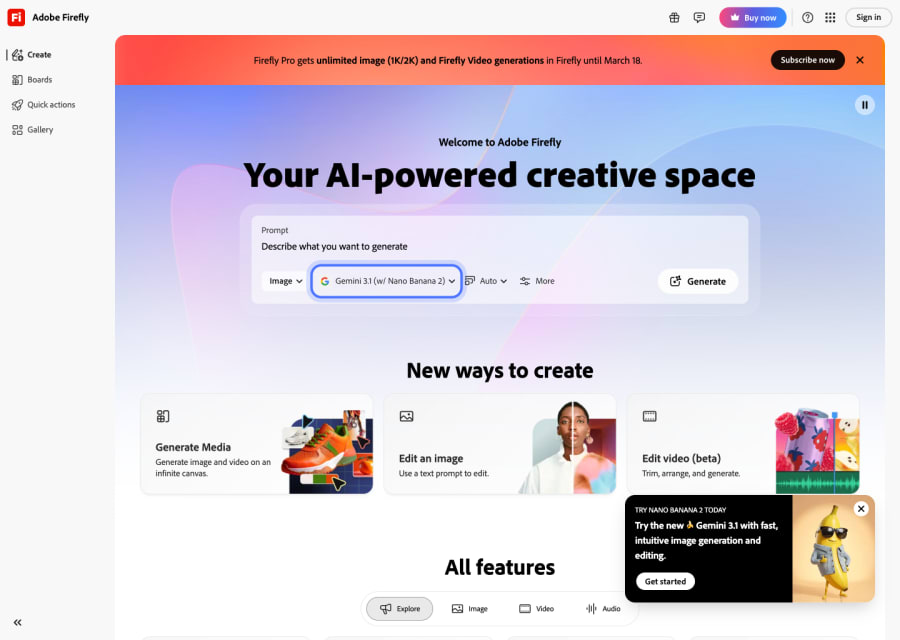
Yes, on paid plans for all major platforms. Midjourney (subscription tiers), DALL-E (paid), Adobe Firefly (enterprise-safe), and Stable Diffusion (open license) all permit commercial use. Free tiers usually have restrictions. Always check current terms.
Who owns AI-generated images?
Under current US copyright law, pure AI-generated images typically cannot be copyrighted by the user — the prompt is not considered sufficient human authorship. However, the images can still be used commercially. Human-edited AI images and substantially human-authored work involving AI tools can be copyrighted.
Is AI art putting artists out of work?
The effect is real but uneven. Stock illustration, generic commercial art, and some mid-tier commercial illustration have been significantly disrupted. Concept artists, fine artists, and illustrators with distinctive styles are largely thriving — often using AI as part of their workflow. The disruption is by segment, not across the board.
Can AI generate consistent characters across multiple images?
Yes, and this has improved dramatically. Midjourney's character reference, Stable Diffusion with LoRA training, and specialised tools now maintain character consistency across multi-image projects well enough for comics, children's books, and editorial illustration.