AI Tools to Generate Music
48 toolsAI tools that generate music from text prompts, moods, or references. Ranked for song quality, vocal realism, and commercial licensing.
Showing 48 tools matched to this page



















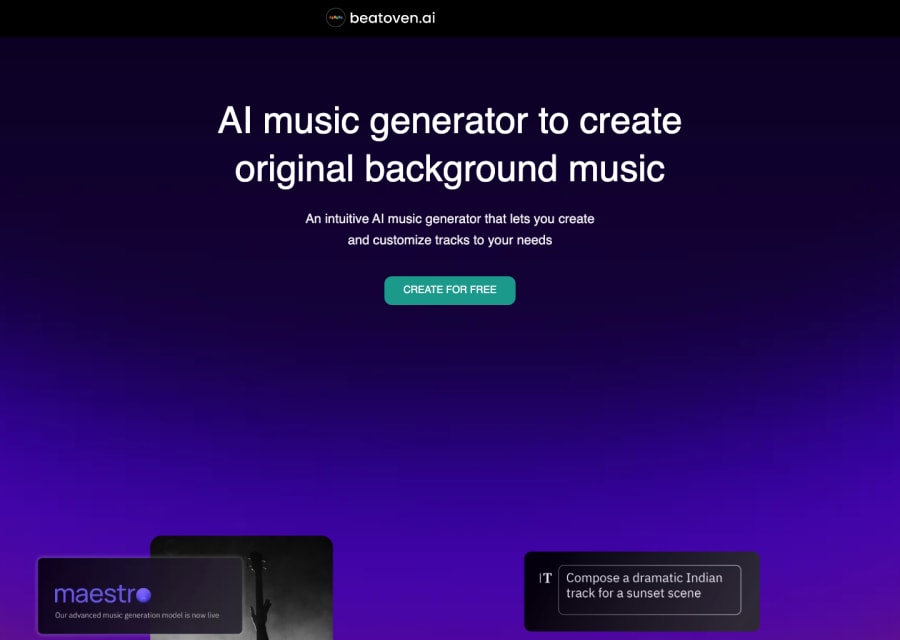
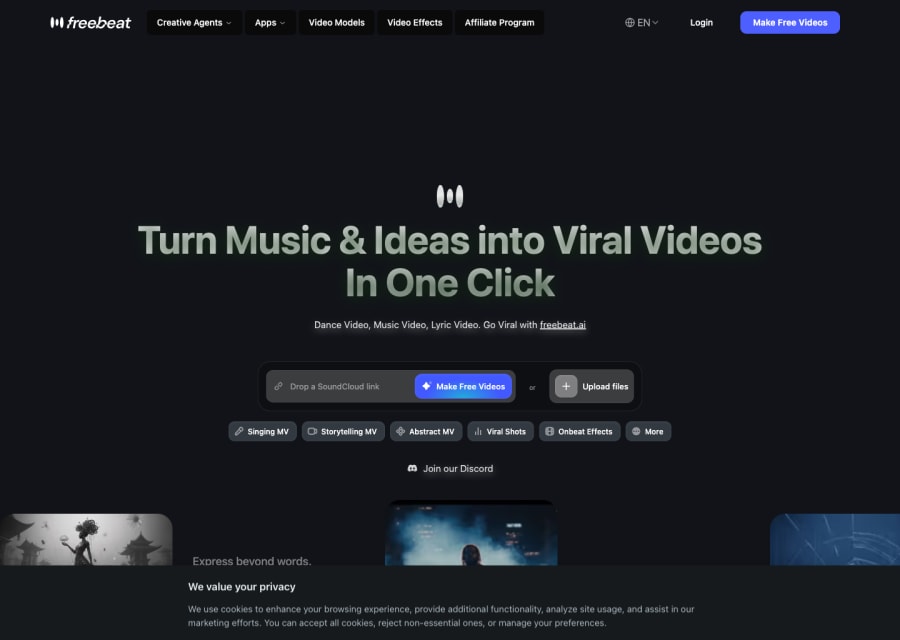





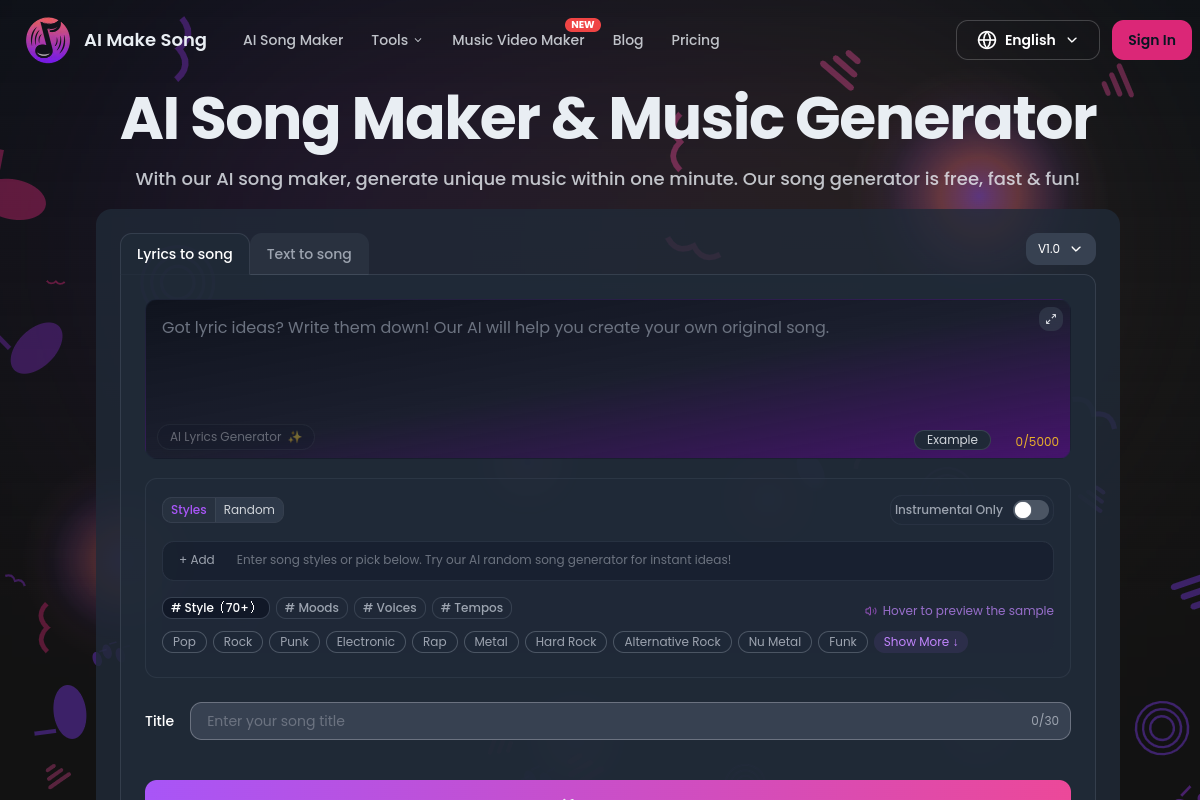



About ai tools to generate music
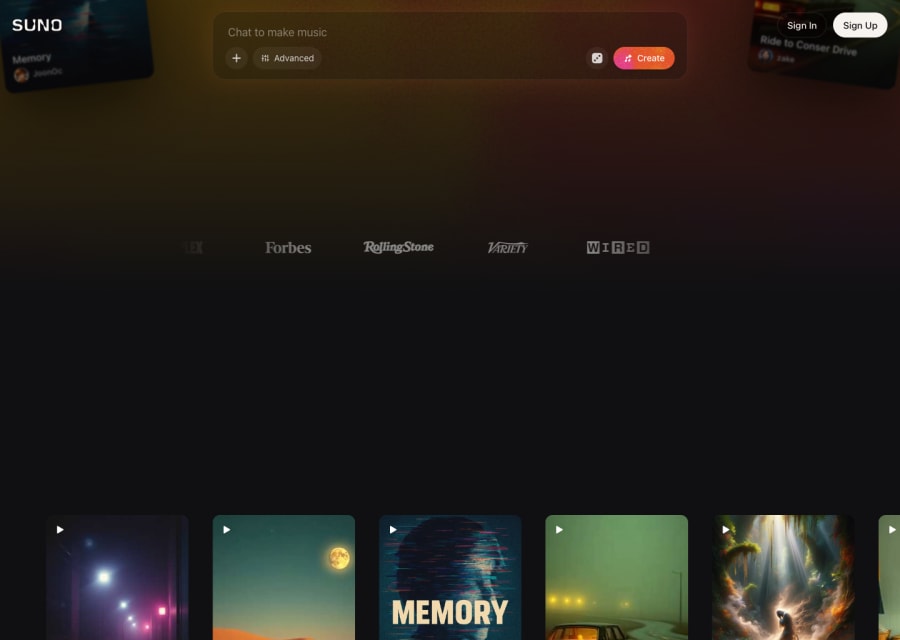
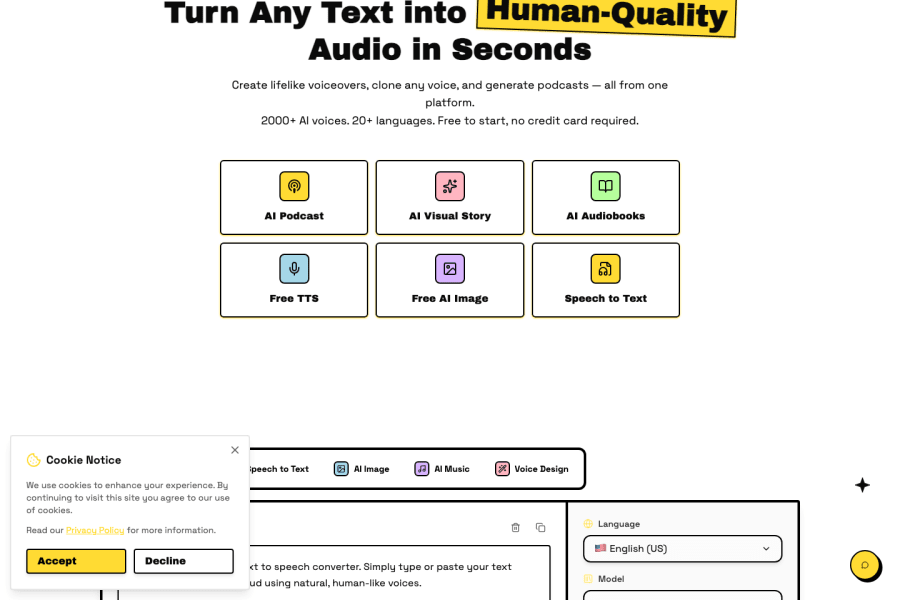
Music generation has become one of AI's most impressive domains. Tools like Suno and Udio produce full songs with vocals, instruments, and production quality that rival human-made tracks — from a text prompt, in under a minute. For soundtracks, background music, short-form content, advertising, and hobbyist songwriting, AI music tools are now genuinely in production. This page covers the top AI music generators in 2026, ranked by what actually ends up in published content — not the ones that demo well but fall apart on real briefs.
Licensing music has always been expensive, slow, or both. Stock music libraries are cheap but generic; custom composition is premium but time-consuming. AI music generation collapses the middle ground: original, on-brief, royalty-clean music in minutes, for the cost of a subscription. For creators, it removes one of the last real friction points in video production. For marketers, it unlocks branded sonic identity that used to require custom composition budgets.
How to pick an AI music generator
Related AI solutions
Common questions
What is the best AI music generator in 2026?
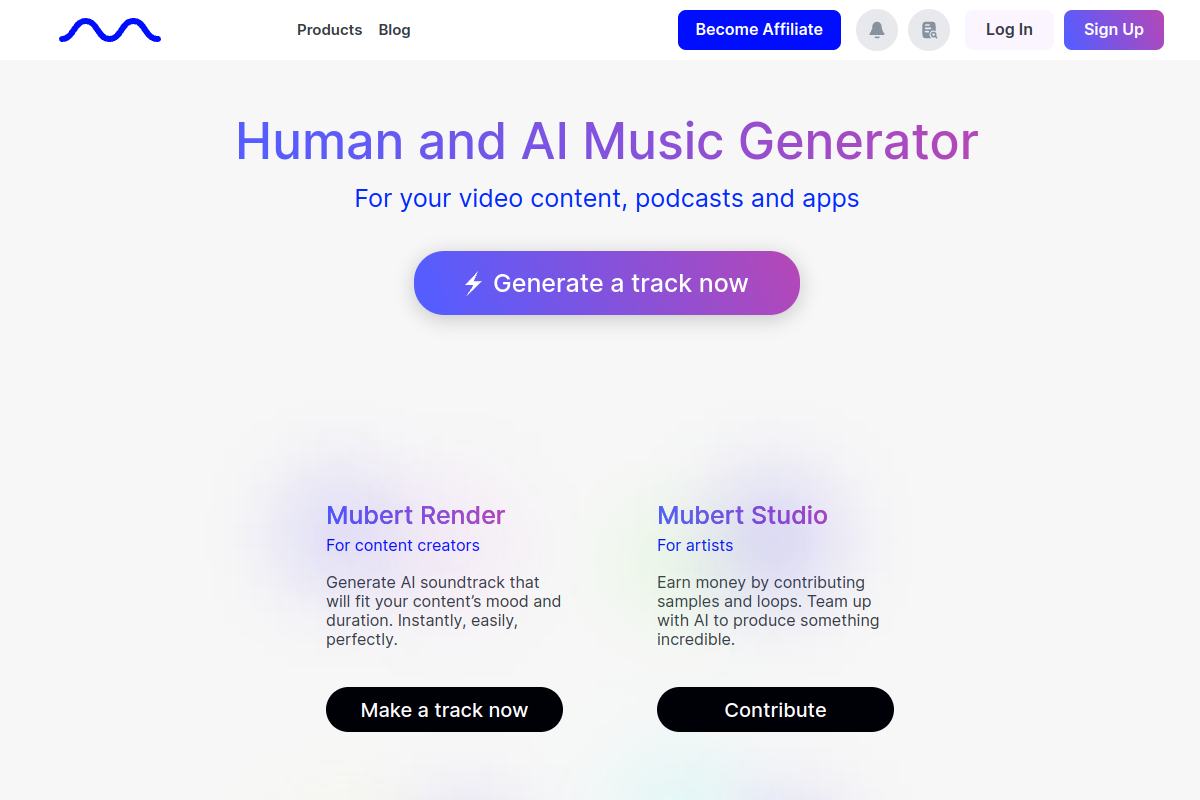
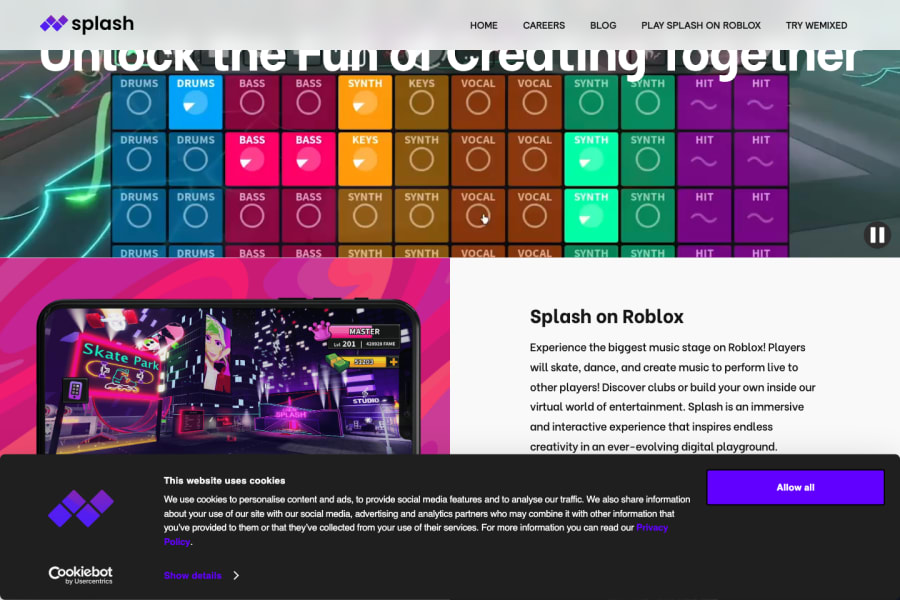
Suno and Udio lead for full-song generation with vocals. Soundraw, Mubert, and Aiva are stronger for instrumental and background music. For professional production workflows, tools like Splice Create and AIVA integrate with DAWs for collaborative AI composition.
Can I sell music made with AI?
Generally yes on paid plans, but ownership and licensing terms vary. Suno and Udio allow commercial use on paid plans with standard attribution. Royalty splits with AI platforms are a developing area — always check current terms before distributing at scale.
Can AI music be uploaded to Spotify and Apple Music?
Yes, and a significant share of new uploads are AI-assisted or fully AI-generated. Platforms are introducing AI disclosure requirements and fraud detection for streaming manipulation, but legitimate AI music distribution is fully supported.
How realistic are AI-generated vocals?
The top tools produce vocals that pass casually in most contexts. Close listening still reveals artefacts — especially in sustained notes and transitions — but the gap to human vocals has closed dramatically. For background music, short-form content, and many commercial uses, the quality is production-ready.
Is AI music replacing musicians?
For commercial background music and stock audio — yes, that market is shifting fast. For artist-driven music where the human story is part of the value — no, and in some ways AI tools are amplifying independent artists by lowering production barriers. The disruption is uneven by segment.