Best AI Research Tools
36 toolsThe best AI research tools in 2026: Perplexity, NotebookLM, Elicit, and more. Ranked for source grounding, depth, and citation quality.
Showing 36 tools matched to this page












About best ai research tools
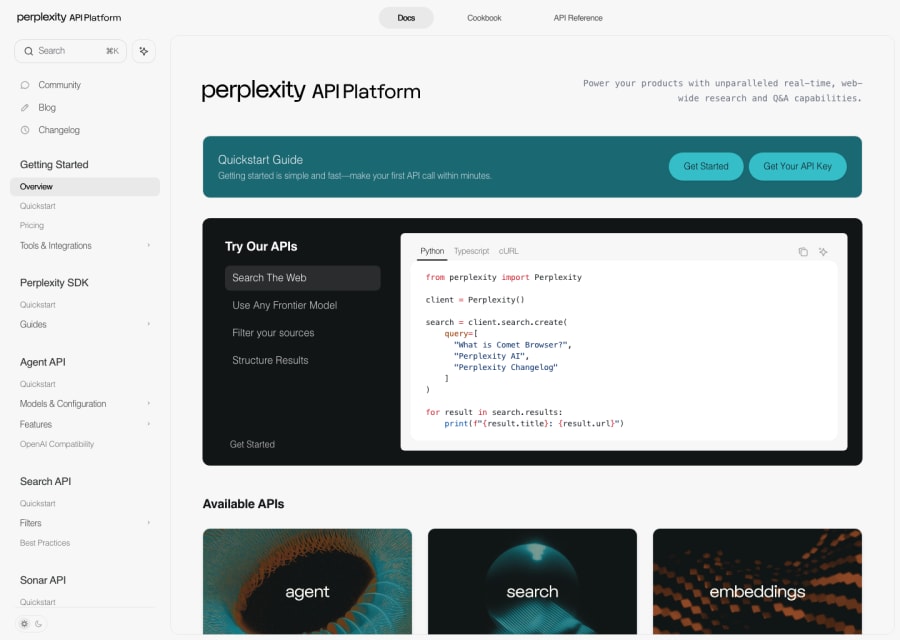
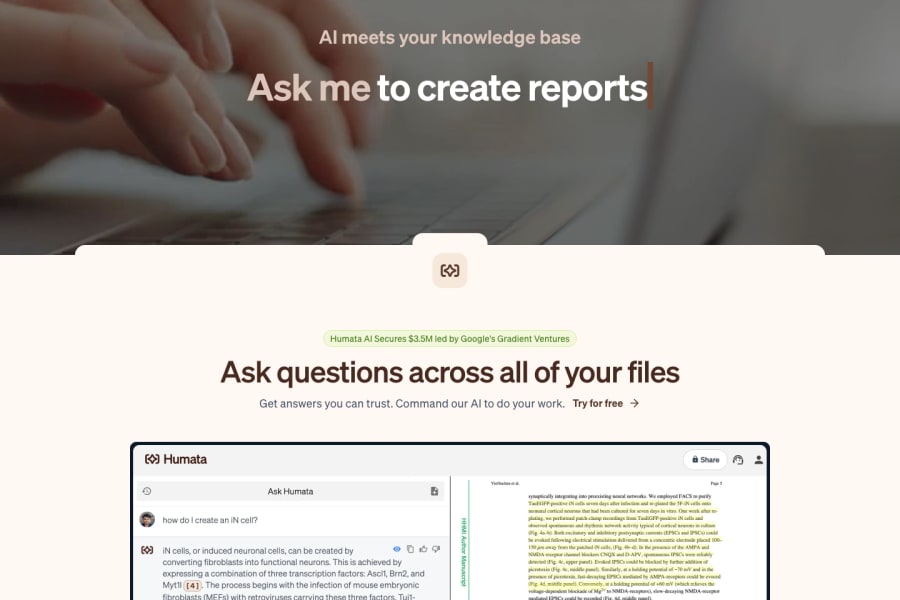
AI research tools are a distinct category from general chatbots — they are purpose-built for information-finding with source citations rather than content generation. Perplexity, NotebookLM, Elicit, and a growing list of specialists produce research that is genuinely verifiable, with live web sources or document grounding. This page ranks them for real research workflows: academic work, journalism, market research, due diligence, and anything where the difference between "sounds right" and "is right" actually matters.
General AI chatbots hallucinate — sometimes obviously, sometimes subtly. For any task where accuracy matters, purpose-built research tools with source citations are fundamentally better. They represent the maturing of AI from "impressive-sounding" to "actually verifiable" — which is the category that will matter most for professional use.
How to pick an AI research tool
More best-of AI tool lists
Common questions
What is the best AI research tool in 2026?
Perplexity for general web-grounded research. NotebookLM for document-grounded research on material you provide. Elicit and Consensus for academic paper research specifically. Most researchers use two: one web-focused, one document-focused.
Are AI research tools accurate?
More accurate than general chatbots because they cite sources. But citations can still be misread, misrepresented, or synthesised incorrectly. The honest standard is: AI research tools dramatically accelerate research, but the final responsibility for accuracy is still yours. Verify important claims.
Can AI research tools replace traditional search?
For many professional research tasks — yes, they are already the default. They synthesise across sources in ways search cannot. But traditional search still wins for navigational queries (finding a specific website), low-trust topics, and any case where seeing the raw sources matters more than synthesis.
Is Perplexity better than ChatGPT for research?
Yes, for research specifically. Perplexity is purpose-built for source-grounded answers; ChatGPT is purpose-built for general assistance. If your question needs verifiable sources, Perplexity usually outperforms. If you need synthesis across complex documents, NotebookLM beats both.
Are AI research tools safe to use for academic work?
For research and source-finding — yes, this is one of the clearest legitimate uses of AI in academic contexts. For writing the paper itself — standard academic integrity rules apply; most institutions are fine with AI-assisted research but not AI-authored papers. Check your institution's specific policy.