Best AI Tools for Bloggers
48 toolsAI tools bloggers use to research, write, optimise, illustrate, and monetise long-form content. Focused on SEO performance and editorial quality.
Showing 48 tools matched to this page


























About best ai tools for bloggers
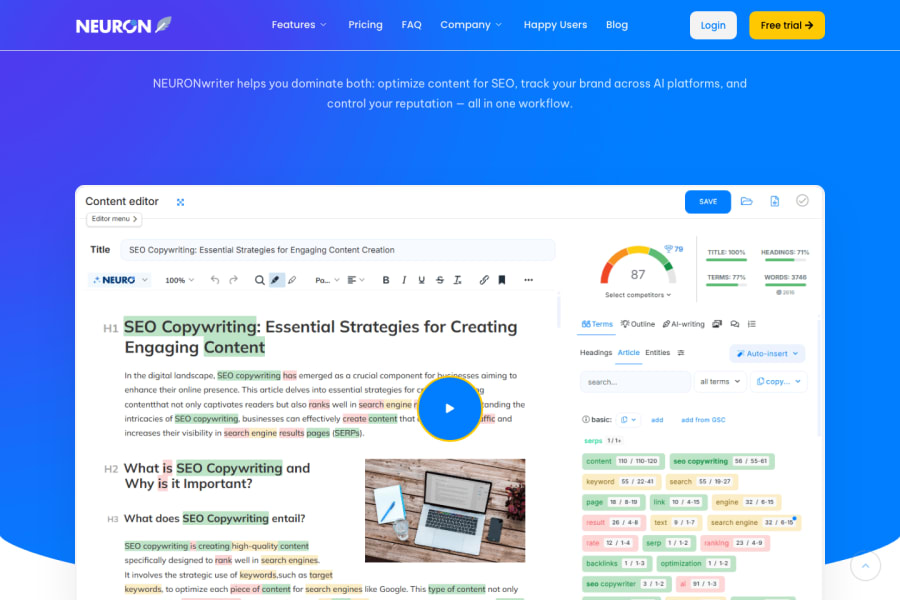
Blogging is not dead — it has just raised the bar. In 2026, a single writer with the right AI stack can produce the same volume of quality content that used to require a small editorial team. This page collects the tools bloggers actually use to compete: SEO research tools that surface real ranking opportunities, writing assistants that help structure and sharpen drafts, image generators that produce post illustrations, and optimisation tools that grade content against live SERPs. All of it is built for one thing — publishing content that ranks and converts without burning out.
Google increasingly rewards content that shows original perspective, depth, and authority — the things AI alone cannot fake. The writers winning in 2026 are using AI for everything around the writing (research, SEO scoring, image generation, repurposing) while keeping the thinking and the prose human. That combination produces more, better, and faster than either pure AI or pure manual workflows.
How to pick AI tools for a blog
AI tools for other audiences
Common questions
Is AI-written content penalised by Google?
Google's stated position is that quality matters, not method. In practice, pure AI content with no editorial layer underperforms over time, especially after core updates. AI-assisted content with real expertise, original analysis, and human editing ranks and stays ranked — the method is less important than the quality signals.
What is the best AI tool for blog writing?
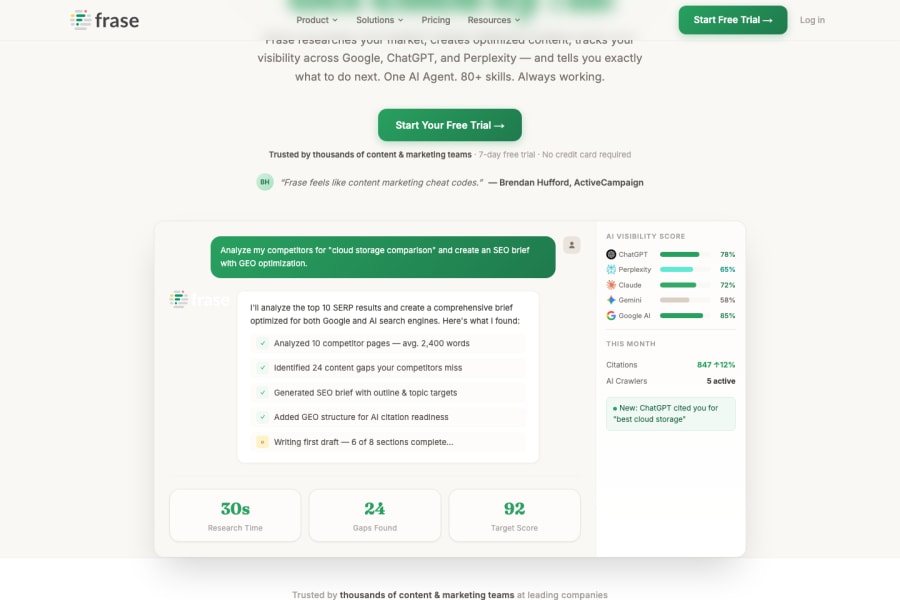
For drafts and editing, Claude and ChatGPT lead the general category. For SEO-specific writing, dedicated tools like Surfer AI and Frase combine writing with ranking scoring. Most successful bloggers use one of each — general tool for thinking and structure, SEO tool for the final optimisation pass.
How long should blog posts be in 2026?
Length is a symptom, not a target. The honest answer is: as long as needed to cover the topic better than what currently ranks, and no longer. For most informational queries, that lands in 1,500–2,500 words. Padding hurts more than it helps — and AI tools make it easy to over-pad without noticing.
Can AI replace human writers for blogs?
For pure volume content on low-competition keywords, increasingly yes — but the economics of that play are deteriorating as Google tightens thin-content detection. For content that drives real traffic and trust, AI-assisted human writing has clearly beaten AI-only writing in every measurable way.
What about AI-generated images in blog posts?
Generally accepted in 2026, with two caveats: disclose AI-generated imagery if accuracy matters (news, editorial, review contexts), and keep a consistent style across your blog. Mixed AI image aesthetics look cheap; consistent AI illustration can look genuinely premium.